
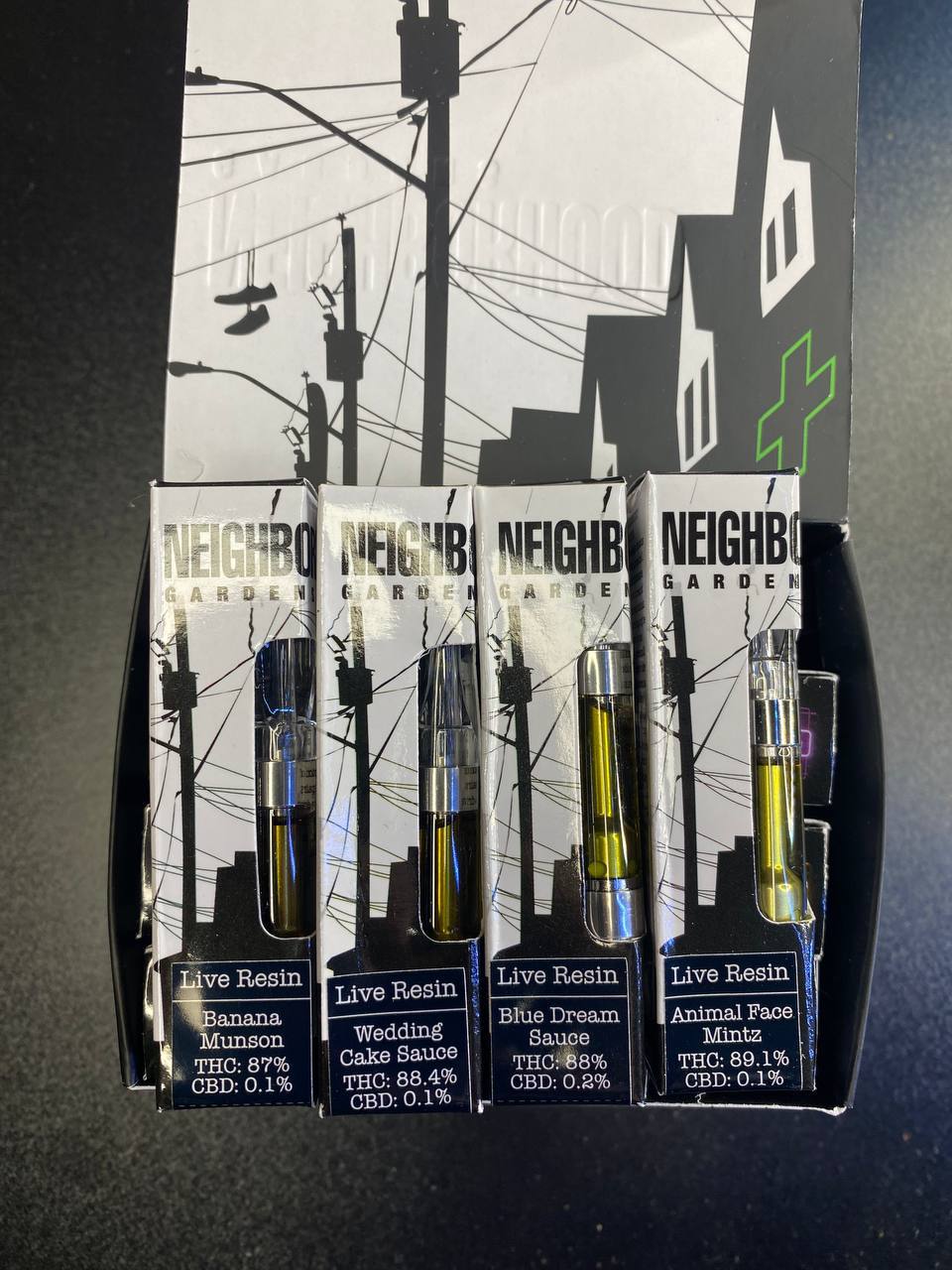
Neighborhood Gardens Disposable: A Sustainable Solution for Community Growth
In recent years, the concept of neighborhood gardens has surged in popularity, inspired by a desire to reconnect with nature and foster community spirit. These gardens offer an ideal platform for residents to engage in sustainable gardening practices while beautifying their surroundings. However, the practicality of maintaining such shared spaces often leads to the introduction of disposable elements—like pots, tools, and plant markers—that should be carefully chosen to minimize environmental impact.
The Benefits of Neighborhood Gardens
Neighborhood gardens serve numerous purposes that extend beyond simply providing fresh produce. They create a shared space where people can collaborate, learn, and grow together. One of the biggest advantages is the promotion of local biodiversity. By incorporating a variety of plants, neighborhood gardens attract pollinators such as bees and butterflies, which play crucial roles in the ecosystem.
Additionally, these gardens promote healthy eating habits. When communities can access fresh fruits and vegetables right outside their doorsteps, they are more likely to choose nutritious options. This easy access can also significantly reduce carbon footprints associated with transporting food from farms to grocery stores.
Furthermore, gardening has therapeutic benefits. Engaging in outdoor activities reduces stress levels and improves mental well-being, fostering a robust sense of community.
Creating an Eco-Conscious Space
While the idea of neighborhood gardens is inherently positive, the introduction of disposable items can compromise their sustainability. It’s essential to choose items that contribute to, rather than detract from, the garden’s eco-friendly ethos.
Consider the materials used for disposable tools and containers. Biodegradable pots made from recycled paper or compostable materials are excellent choices as they can decompose naturally, enriching the soil rather than polluting the earth. Avoiding single-use plastics not only enhances the garden’s sustainability but also sets a precedent for environmentally responsible behavior.
Sustainable Practices in Neighborhood Gardens
To maintain a thriving neighborhood garden, residents can implement various sustainable practices. Crop rotation, for instance, helps maintain soil health and reduce pest infestations, while companion planting can naturally deter harmful insects.
Moreover, residents should consider using organic methods for pest control. Beneficial insects, like ladybugs and lacewings, can help keep pest populations in check without the need for chemical pesticides. Rainwater collection systems can also ensure that gardens are watered efficiently while conserving precious resources.
Organizing Educational Workshops
One of the most effective ways to engage community members in neighborhood gardens is to organize educational workshops. These can cover topics such as organic gardening, the benefits of composting, and the importance of native plant species.
By sharing knowledge and expertise, residents can foster a deeper appreciation for gardening and its environmental benefits. These workshops can also provide an excellent opportunity to promote the use of eco-friendly disposable items, emphasizing their role in creating a sustainable gardening environment.
Collaboration and Community Engagement
Neighborhood gardens thrive on community involvement. Organizing regular planting days, harvest festivals, or seasonal events can cultivate a sense of belonging among residents. These gatherings encourage neighbors to meet, share ideas, and collaborate on projects, making gardening a community-oriented effort.
Additionally, establishing a simple communication system—like a shared online group or community board—can ensure that everyone is informed about upcoming events or gardening tips. This ongoing dialogue will keep the enthusiasm alive and promote sustained engagement in maintaining the neighborhood garden.
In Conclusion: A Vision for Neighborhood Gardens Disposable
In conclusion, neighborhood gardens are vibrant spaces that nurture community spirit, provide fresh produce, and offer therapeutic benefits. However, to fully embrace their potential, it is crucial to approach the use of disposable items thoughtfully. By prioritizing eco-friendly materials and sustainable practices, we can ensure that our gardens not only thrive but also contribute positively to the environment.
The concept of neighborhood gardens disposable takes on a new meaning when viewed through the lens of sustainability. By carefully selecting disposable elements that align with our environmental goals, we can create spaces that are not only beautiful and productive but also serve as a model for responsible gardening practices. As communities come together to nurture these gardens, they will cultivate not only plants but also lasting connections, leading to a brighter, greener future.


Reviews
There are no reviews yet.